By Mohamed Miah
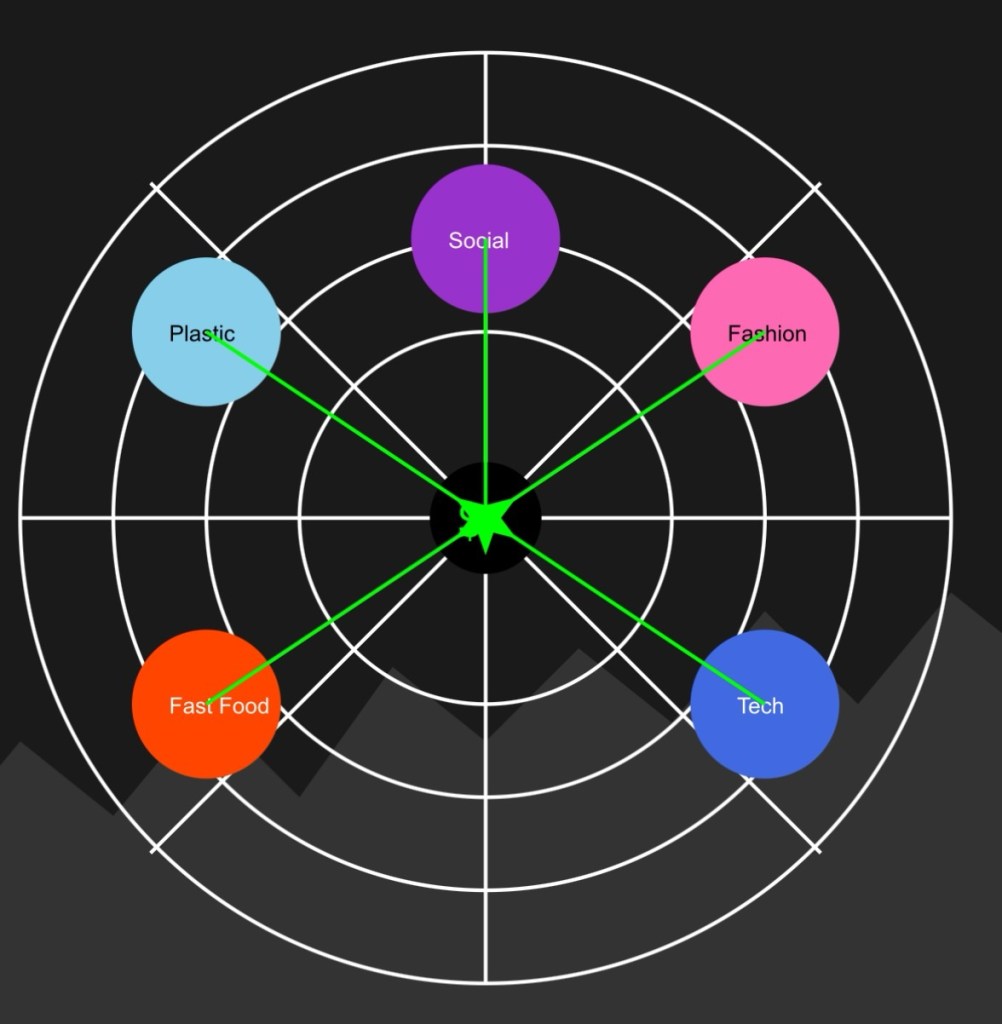
In today’s consumer-driven world, it’s easy to feel like we’re in control. But behind the sleek advertisements, flashy tech upgrades, and ever-changing fashion trends lies a complex web of manipulation and greed designed to keep us hooked. From plastic pollution to the latest smartphone model, the strategies employed by various industries reveal a darker side to our consumption habits.
The Plastic Trap: A Cycle of Convenience and Waste
Plastic, once celebrated for its versatility and low cost, has become a symbol of environmental degradation. It’s not just a material issue but a strategic one. Companies that produce plastic goods often engage in greenwashing—marketing their products as eco-friendly while continuing to contribute to the problem. This deception not only misleads well-intentioned consumers but also perpetuates a cycle of waste and environmental harm.
Greenwashing is more than a buzzword; it’s a powerful tool used by companies to mask their unsustainable practices. By promoting minor, often cosmetic, changes as significant environmental efforts, these companies exploit our desire to make a positive impact. The true goal? To maintain profits and avoid genuine reform. This manipulation creates an illusion of progress while allowing businesses to continue practices that harm the planet.
Gambling with Consumer Behaviour
Much like gambling, consumer markets are designed to lure us in with the promise of rewards. Whether it’s the thrill of a new gadget or the allure of the latest fashion trend, these industries create a sense of urgency and excitement that keeps us coming back. The result is a cycle where the consumer is continuously invested—often at a financial loss—while the industry profits.
Fast food, fashion, and technology industries capitalise on our psychological tendencies towards addiction and habitual behaviour. Fast food chains offer convenience, sugar and taste, fashion brands push seasonal trends, and tech companies release incremental updates that make previous models seem obsolete. Each sector reinforces consumer dependency, ensuring that we remain engaged and spending.
The Vegan and Organic Trap
Even movements aimed at ethical consumption, such as veganism and organic food, are not immune to exploitation. Companies often market vegan and organic products as premium, tapping into the consumer’s desire to make ethical choices. However, many of these products are priced significantly higher without offering substantial benefits over non-organic or non-vegan alternatives. This practice not only profits from the consumer’s ethical convictions but also creates a facade of sustainability and health, while real issues in production and supply chains remain unaddressed.
Shifting the Burden: Exporting Waste to Poorer Countries
A particularly insidious tactic employed by wealthy nations and capitalist enterprises is the exportation of waste to poorer countries. Rather than dealing with the environmental fallout of their consumption, affluent nations often send their waste to less-developed countries. This practice not only offloads the responsibility but also hides the true impact of consumerism from the wealthier populace. These countries often struggle with inadequate infrastructure to manage the waste, resulting in severe environmental and health consequences for their populations. This strategy allows rich countries to maintain a facade of environmental responsibility while perpetuating global inequality and environmental harm.
The subtle chains of modern consumerism can be just as binding as any physical restraints. By creating economic dependency and exploiting psychological triggers, industries effectively enslave us to a cycle of consumption. This manipulation doesn’t just impact our wallets; it affects our autonomy, happiness, and even our health.
Social Media and Gaming
Social media platforms and gaming are engineered to be addictive, using behavioural design to keep users engaged for longer periods. The strategies employed to hook users are akin to those used in gambling—creating a sense of reward and validation while obscuring the potential negative impacts on mental health and well-being.
Fashion’s rapid changes are designed to create a sense of urgency and exclusivity, pushing consumers to continuously update their wardrobes. This seasonal cycle ensures that old trends are quickly discarded in favour of new ones, feeding into the broader cycle of consumption and waste.
At the heart of these industries lies a relentless drive for profit. Greed fuels the manipulation and exploitation of consumer behaviour, creating systems that benefit the few at the expense of the many. By understanding these mechanisms, we can better navigate the modern landscape of consumption and advocate for more ethical and sustainable practices.
As consumers, it’s crucial to recognise these patterns and challenge the systems that perpetuate them. By making informed choices and demanding greater transparency, we can reclaim some control over our consumption habits and strive for a more equitable and sustainable future.
Capping Corporate Profits
How much profit is enough for a company or its shareholders? In a world where children are protected by limits on harmful products, perhaps it’s time to impose similar caps on corporate profits. Excessive profit margins can lead to unethical practices and environmental degradation. By capping profits, any surplus could be redirected to social causes or used to create additional jobs within the company. This approach could help align business interests with broader societal benefits and promote a more equitable distribution of wealth.


 The Narratives - Mohamed Miah
Leave a reply to Fathiyah Cancel reply