By Mohamed Miah
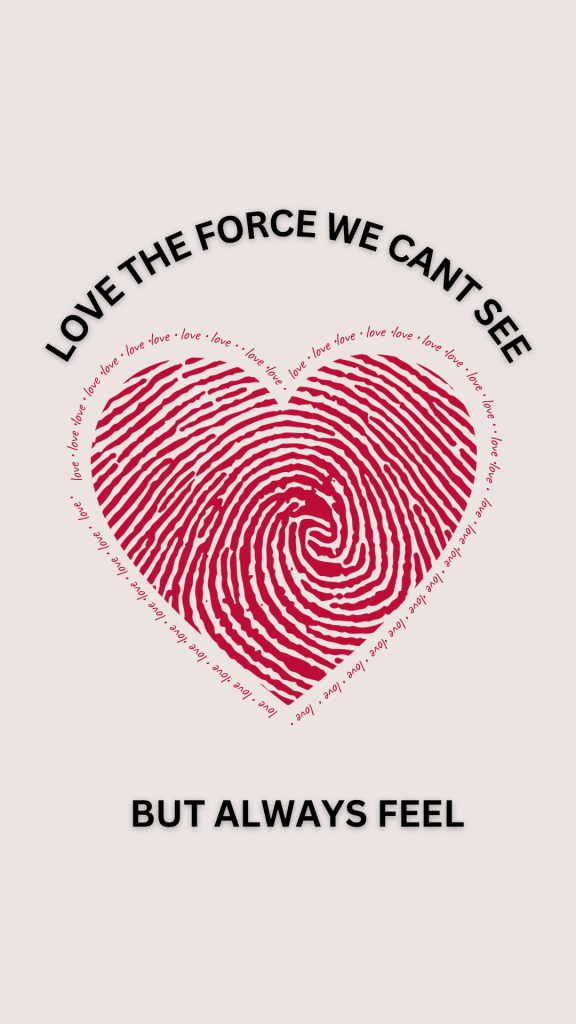
Love is perhaps the most powerful force we experience. It’s not something we can measure or contain, and yet it shapes every aspect of our lives. Love can feel like Allah’s mercy in its purest form—a gift that binds us together and, at times, a test that leaves us exposed and vulnerable. It’s healing, protective, even consuming.
But here’s the paradox, love is also dangerous. When misused, it can destroy individuals, families, and even societies. It’s not something we can handle casually, because love, like truth, demands care, respect, and responsibility.
What Is Love, Really?
Love, in all its forms, feels undeniable. It manifests differently depending on the relationship: the selfless devotion of a parent, the quiet loyalty of a friend, the passion of a spouse, or the protective instinct of a sibling. Yet, despite knowing it when we feel it, can we truly define it?
The Greeks categorised love into types: Eros for passion, Philia for friendship, Storge for familial love, and Agape for unconditional, selfless love. This breakdown comes close to how we experience love, but even they didn’t claim to have captured its essence entirely.
In Islam, love is deeply tied to Allah’s mercy (Rahma). It’s in the bonds we share with our families, the care we show to our neighbours, and even the forgiveness we offer our enemies. The Qur’an reminds us that Allah placed affection and mercy between spouses so they may find tranquillity in each other (30:21). This isn’t just a poetic ideal—it’s a profound reminder that love, at its core, is both a gift and a trust.
Why Love Can’t Be Measured
Science tries to quantify love. We hear about oxytocin, dopamine, and brain scans that light up when people feel love. But does that really capture what it is?
Think about the moments you’ve experienced love—the sacrifices, the joy, the heartbreak. Can a hormone explain a parent working endless shifts to provide for their child, or a spouse waiting by their partner’s bedside during illness? Can brain activity measure the ache of missing someone who’s no longer here?
I don’t think love is something we can fully measure, at least not yet. It might exist in a way we can’t see, like gravity or dark matter—something so fundamental it holds us together but remains beyond our reach.
Love as the Most Powerful Weapon
Love is undeniably a force of creation and destruction. Entire revolutions have been fuelled by love for justice, and countless acts of self-sacrifice have been driven by love for others. At the same time, love can also lead to obsession, jealousy, and conflict.
We’ve all seen what happens when love is misused—when it turns into control, manipulation, or blind loyalty. History is littered with examples, from the wars fought over love to the lives ruined by misplaced devotion. Love is powerful, yes, but it’s not inherently good or bad. It’s a tool, a weapon even, and its impact depends on how we wield it.
Love as Allah’s Mercy and Test
In its purest form, love reflects Allah’s mercy. It’s a reminder that no matter how broken the world feels, there is still hope, healing, and connection. But love is also a test. It forces us to confront our fears, our weaknesses, and even our selfishness.
Do we love selflessly, or do we expect something in return? Do we let love guide us toward kindness and patience, or do we let it consume us with jealousy and anger? These are questions we must ask ourselves because love, like faith, demands effort.
When love is rooted in Allah, it becomes easier to handle. It doesn’t mean love won’t hurt—sometimes it will—but it will hurt with purpose. It will teach you patience, resilience, and gratitude.
The Universality of Love
One of the most fascinating things about love is its universality. It transcends culture, language, and even species. A mother in Bangladesh, a teenager in London, and even a dog in Southampton all experience love in ways that feel remarkably similar.
This universality hints at something divine. Love isn’t just an emotion—it’s a connection, a force that reminds us we’re part of something greater. In Islam, loving others is an act of worship. When we love with sincerity, fairness, and care, we reflect Allah’s mercy in the world.
But love is also scary. To truly love is to open yourself up to vulnerability, to risk pain and loss. That’s why it must be handled with care.
A Gift We Must Protect
If there’s one thing I’ve learned, it’s that love is as fragile as it is powerful. It can break easily if neglected or taken for granted. And when it breaks, the consequences ripple outwards, affecting not just the people directly involved but everyone connected to them.
But when nurtured, love has the power to heal, to inspire, and to transform. It’s not about grand gestures—it’s in the small, everyday acts of care and kindness. It’s in the way we forgive, the way we listen, and the way we hold space for others.
Love isn’t perfect, and neither are we. But when we treat it as the sacred trust it is, love becomes a glimpse of Allah’s mercy in our lives—a reminder that even in the chaos, there is beauty, connection, and truth.
 The Narratives - Mohamed Miah
Leave a comment