What brands do you associate with?
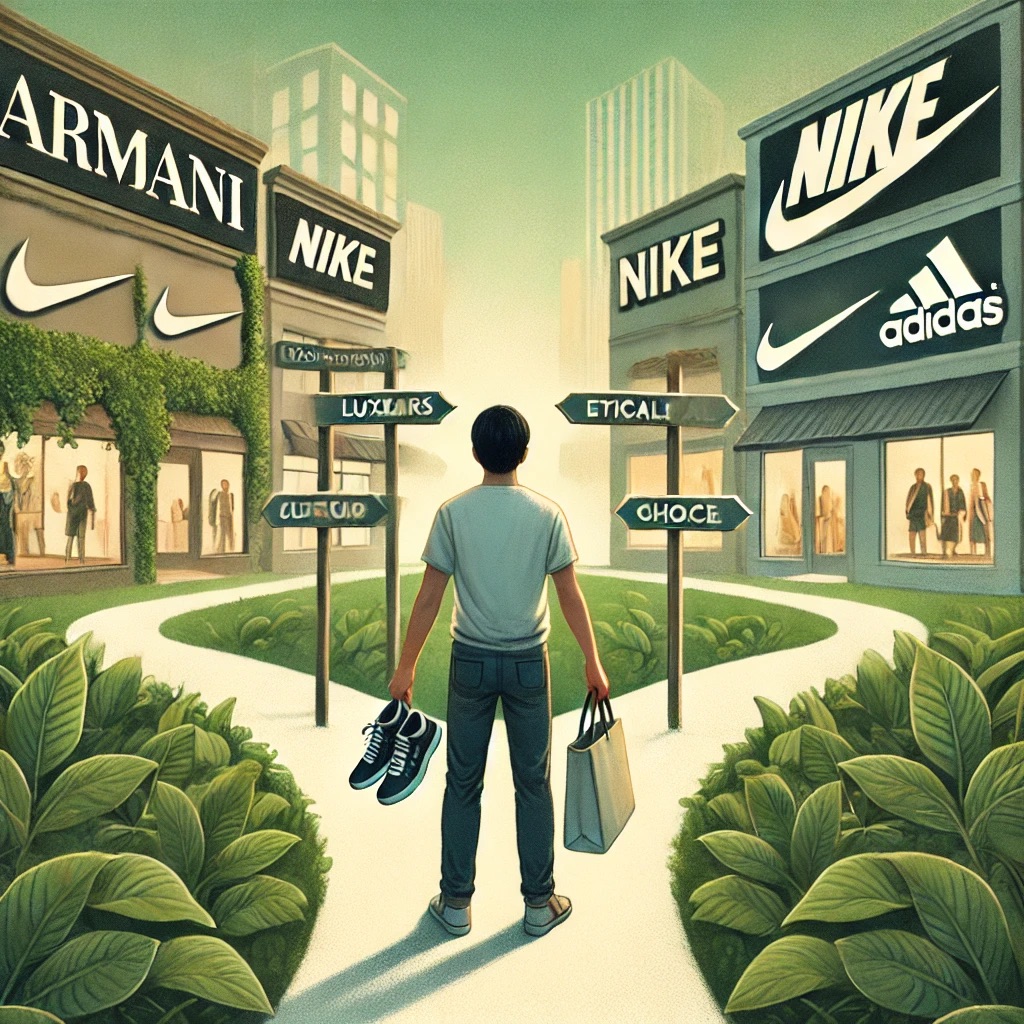
Growing up, I never had the luxury of fancy brands. Coming from a poor household, I watched as other kids in school flaunted their Nike sneakers and flashy sportswear, and it wasn’t easy. I remember longing to fit in, to be part of that club where status was stamped on the side of a pair of trainers. I would ask my parents for them, even though deep down, I knew it was a financial stretch. It wasn’t that I didn’t appreciate the sacrifices my parents made, but when you’re young and the world around you is obsessed with logos, it’s hard to look past that.
There was this outlet store we’d go to, and I’d sometimes buy sneakers that were too big or too small—just to have that all-important badge. It didn’t matter if they were uncomfortable; what mattered was the perception they gave off. Looking back, it left a lasting imprint on me. I started to believe that brands equaled quality, and that quality equaled worth.
As soon as I started earning, I leaned into this mindset even harder. Every paycheck was an opportunity to indulge in the brands I had only dreamed of. Armani, Nike, Adidas, YSL, Tom Ford—you name it, I had it. I’d buy something every month, sometimes pushing my budget to the limit, just to feel that rush of excitement, that brief hit of happiness. It felt like I was filling a void, and for a while, it worked.
But then something shifted. The illegal war on Gaza became a turning point for me. Like many others, I began to research the brands I loved, and I didn’t like what I found. Many were complicit, either through direct business ties or through their support of governments and policies that oppressed the very people I was beginning to empathise with. It was a harsh wake-up call. These brands that had once symbolised quality and status suddenly represented something far uglier: exploitation, capitalism, and greed.
It was sobering to realise that I had been part of a system that profited from the suffering of others, especially the poorest and most vulnerable societies. I couldn’t look at brands the same way anymore. The logos that once made me feel proud now felt like a symbol of everything I wanted to move away from.
I began to question not just the brands but my own motivations. Why did I feel the need to advertise them? Why did I spend so much to wear their name? The answer, I realised, was tied to ego. These purchases were about self-image, about the need to feel a certain way or be seen a certain way. And that’s the trap brands set for us—they market a lifestyle, a sense of belonging, but it’s all an illusion. It’s just clever marketing designed to feed our insecurities.
Now, when I buy something, I try to be more thoughtful. I look for quality, not just in the product itself but in the practices of the company. I’ve started shopping at places like Uniqlo, which focuses more on practicality and less on flashing logos. I also try to buy locally, supporting small businesses rather than feeding the giant corporate machines that exploit both people and resources.
I think, as a society, we need to slow down. Fast fashion, excessive consumption, the need for more—it’s all driving us toward a future where we’ll run out of the very resources we take for granted. We’re extracting too much, not just from the earth but from each other. We’re constantly massaging our egos with these purchases, but for what? A fleeting sense of satisfaction?
This reflection isn’t just for you, it’s for me too. I’m still unlearning a lot of the patterns I grew up with. I’m still trying to find that balance between enjoying life and living mindfully. But I hope that by sharing my journey, it might help someone else out there rethink their relationship with brands and consumption.
After all, true quality isn’t in the logo—it’s in the impact our choices have on the world around us. True quality is legacy.
 The Narratives - Mohamed Miah
Leave a comment