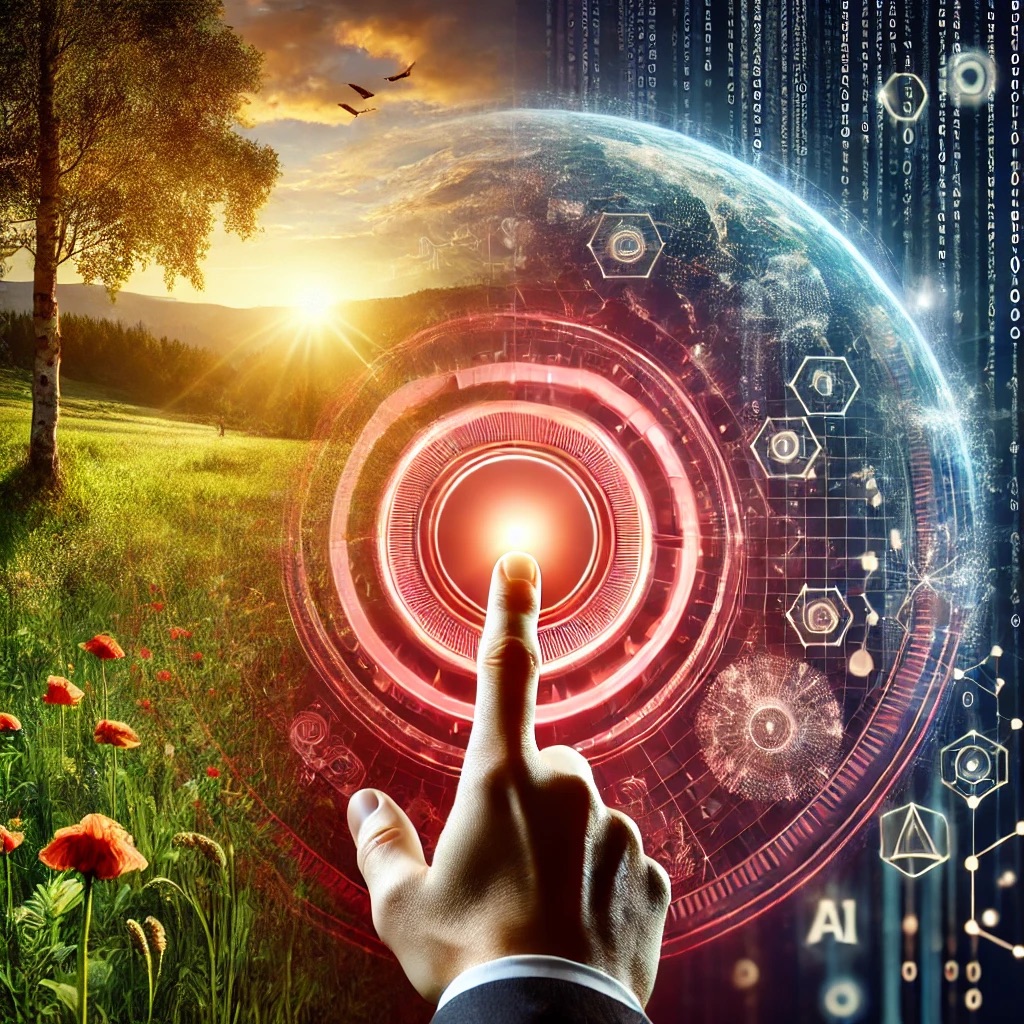
In a world dominated by screens, code, and algorithms, we often overlook the physical objects that have shaped our lives for generations. From watches with intricate automatic movements to the click of a Polaroid camera, these items are more than just relics. They connect us to our senses in ways that digital technology often can’t.
Technology keeps pushing us forward, but there’s comfort in older, simpler things. As we age, we might ask ourselves: can we really leave behind the objects that defined our past, or are they part of what makes us human?
Watches, Cameras, and Real Experiences
There’s something truly satisfying about winding a watch, hearing a clock tick, or snapping a photo with a film camera. These devices aren’t just tools; they’re experiences. Sure, a digital camera can mimic the sound of a shutter click, or an electric car can simulate the sound of an engine, but it’s never quite real. It nags at us because we know it’s artificial—just software pretending to be something physical.
Even in gaming and entertainment, people crave the real thing. Gamers want the game disc, not just a download code. Vinyl records and physical books remain popular because they engage us in ways that screens and numbers simply can’t. In a world overwhelmed by digital distractions, we long for something we can hold, touch, and interact with. The feel of a vinyl record, the weight of a book, and even the smell of the pages—these sensory inputs create experiences digital can never fully replace.
Why Sensory Input Matters
Humans need sensory experiences—touch, sight, sound, smell, and taste—to learn and grow. It’s a scientific fact. The feedback of pressing a button, the sound of turning a page, or the smell of freshly ground coffee are all experiences that digital interactions struggle to replicate.
Think about handling cash. When you hold money, it feels real. You count it, touch it, and exchange it physically. Compare that to digital currency—just numbers on a screen, abstract and distant. The same goes for reading a book. The feel of paper and the rustle of pages, combined with the familiar, comforting smell of the pages themselves, add layers to the experience that digital screens lack.
Consider film photography. When you develop a roll of 35mm film, there’s not just the excitement of seeing the photos come to life, but the smell of the negatives as they develop, or the unique scent of the chemicals hard at work when a Polaroid picture is taken. These are sensory experiences that no smartphone camera can replicate, no matter how advanced.
The Problem with Over-Digitisation
We’re now seeing technology take over experiences that used to be hands-on, and this isn’t always a good thing. Computational photography in smartphones, for example, does all the work for you. It processes the image, adjusts the lighting, enhances the colours—leaving you as little more than a bystander who presses a button. You don’t need skill or an eye for detail anymore; the phone does it all. It’s convenient, but it takes away the joy of learning, experimenting, and creating something yourself.
Electric cars face a similar issue. While they are a great step forward in terms of sustainability, many now use fake engine sounds to mimic the rumble of a gasoline engine. It’s an attempt to recreate a sensory experience that we’re used to, but it falls flat because it’s not real. Fake will always be fake.
Cooking: A Hands-On Experience
Cooking at home is another example of why engaging with the physical world is important. When you cook, you touch, smell, and taste the food, knowing exactly what’s gone into your meal. It’s creative and personal.
Compare that to fast food—it’s convenient, but impersonal. You didn’t choose the ingredients or interact with the process. Cooking at home gives you a full sensory experience, and it’s often healthier too.
Retro in a Digital Age
Even though we live in a digital world, retro items like Polaroid cameras, vinyl records, and Walkmans are making a comeback. People are rediscovering the joy these physical objects bring. These aren’t just about nostalgia—they provide a connection to the world that digital technology often lacks.
Consider using cash instead of digital currency. There’s a weight and texture to the transaction that’s missing with digital payments. The same applies to books. Reading a digital file on a tablet lacks the richness of feeling the pages, hearing the soft rustle as you turn them, and smelling the distinctive scent of a well-worn novel.
Even in the gaming world, downloads and streaming may be becoming the norm, but many gamers still prefer to own physical copies of their games. They want to hold the disc, display it on a shelf, and physically interact with it. There’s a satisfaction in opening a case, inserting a disc, and pressing a button that a digital download can never replicate.
Technology Should Work with Real-World Experiences
While digital technology has its place, it should enhance, not replace, our real-world experiences. The best technologies help us engage with life, not disconnect from it. For example, digital cameras are convenient, but nothing beats the thrill of shooting with a film camera and waiting for the photo to develop. That moment of anticipation, coupled with the smell of freshly developed film or the chemicals of a Polaroid working their magic, can’t be replaced by a smartphone.
The key is balance. Digital tools should make life easier without taking away the hands-on, interactive experiences that define us as humans. We want to feel buttons, turn pages, and interact with the world physically.
Innovators like George Orwell and Steve Jobs understood this balance. They envisioned technology that complemented our human experience, not replaced it. Jobs’ creations like the iPhone and iPod were sensory products. However, today’s digital devices often lack the connection his early innovations offered. Visionaries like Florian “Doc” Kaps, who revived Polaroid, and the craftsmen of Japan who preserve mechanical products, remind us that the future doesn’t have to be entirely digital.
Keeping the Balance
As we move deeper into the digital age, we shouldn’t lose sight of the world that keeps us grounded. The future depends on balancing the convenience of technology with the richness of real-world experiences. We are physical beings living in a digital world, and our future depends on maintaining that balance.

 The Narratives - Mohamed Miah
Leave a comment